Cutie: Where Boutique Charm Meets Design Versatility
There are typefaces that speak, and then there are those that whisper an invitation. Cutie belongs firmly in the latter camp. It’s not just a collection of letters; it’s a feeling rendered in ink and pixels—a warm, welcoming presence that can transform the ordinary into the personal. Imagine a font that doesn’t just sit on the page but leans in, offering a smile and a sense of familiarity. That’s the core of its appeal: a delicate, handwritten aesthetic that feels both artisan-crafted and effortlessly approachable.
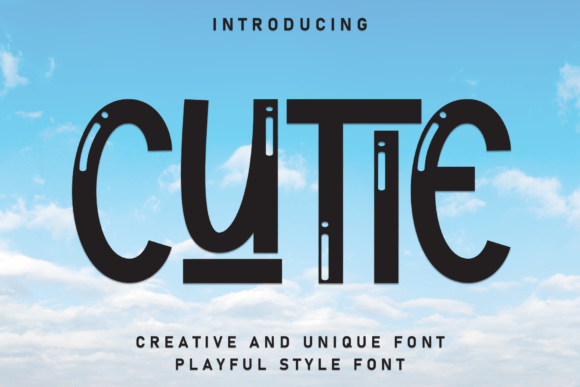
Visually, Cutie walks a beautiful line. Its letterforms carry the organic, slightly irregular flow of a skilled penmanship, but with a clarity and consistency that prevent it from feeling messy or childish. The slight bounce in the baseline, the gentle curves, and the thoughtful spacing create a rhythm that’s pleasing to the eye. This isn’t a rigid, geometric sans serif or a formal, high-contrast serif. It’s a premium display font with a human touch, making it perfect for moments where you want your design to feel intimate, joyful, and genuinely engaging.
Practical Magic: Where This Font Truly Shines
The real test of any creative font is its application. Where does a typeface like Cutie move beyond being a pretty face and become a workhorse for your projects? Its strength lies in contexts where connection and emotion are paramount.
- Brand Identity & Logo Design: For a boutique bakery, a handmade jewelry shop, a family-focused blog, or a cozy café, a logo design featuring Cutie can instantly communicate warmth, craftsmanship, and a personal touch. It sets a tone before a single word of copy is read.
- Packaging Design: On product labels, boxes, or tags, especially for artisanal goods, cosmetics, or children’s products, this display font adds a layer of perceived care and quality. It tells a story of small-batch production and attention to detail.
- Invitations & Stationery: This is its natural habitat. Wedding invites, baby shower announcements, birthday cards, and thank-you notes come alive with a handwritten font that feels celebratory and personal, far more than a standard script.
- Digital Presence: Use it strategically for headlines on a lifestyle blog, call-to-action buttons, or featured quotes on social media graphics. It’s a fantastic tool for social media graphics where stopping the scroll with personality is key. On a website, it can hero a homepage section or style a newsletter signup prompt.
- Editorial & Marketing: In a magazine layout, a book cover, or a promotional poster, Cutie can draw attention to a key headline or pull quote, adding a burst of visual interest that contrasts beautifully with clean body text. For marketing assets like flyers or digital ads, it helps campaigns feel more relatable and less corporate.
Integrating Cutie into Your Design Toolkit
Adopting a new typeface like this requires a bit of strategy to ensure it enhances rather than overwhelms. Here’s how to make it work for you.
First, consider font pairing. Cutie’s charm is best balanced with simplicity. Pair it with a clean, neutral sans serif font for body copy (like Montserrat or Open Sans) to ensure readability. For a more classic feel, a simple serif font (like Lora or Merriweather) can create an elegant contrast. The goal is to let Cutie headline the emotion, while the supporting text provides clear information.
Next, always prioritize readability. Because it’s a display font, it’s designed for impact at larger sizes. Use it for headings, logos, and short bursts of text. Avoid setting long paragraphs in Cutie, as its intricate details can become tiring to read in small sizes. Test it at the actual size it will be viewed—on a phone screen, a printed card, or a poster.
Review the full font family. A quality release often includes alternates, ligatures, and stylistic sets. These features allow you to customize the look further, swapping out a particular ‘g’ or ‘e’ to better match your project’s vibe. This level of customization is what elevates a design from using a font to truly owning the typography.
Finally, understand the licensing. If you’re using Cutie for a client project, merchandise for sale, or a commercial product, ensure you have the appropriate commercial font license. This is a standard and crucial step in professional design assets management, protecting both you and the font creator.
Crafting a Cohesive Visual Language
The ultimate goal of thoughtful typography is to build a consistent and recognizable brand identity. When you choose a font like Cutie for specific applications—a logo, packaging, and key social posts—you’re weaving a consistent thread through your visual communication. This consistency breeds familiarity. Your audience starts to associate that friendly, approachable lettering with your brand’s voice and values, strengthening brand recognition over time.
It also directly impacts professional presentation. A well-chosen, high-quality font signals that you care about details. It shows you’ve moved beyond default system fonts and have invested in a tool that communicates your brand’s unique personality. This subtle shift can significantly boost audience engagement, as people are naturally drawn to designs that feel intentional and aesthetically pleasing.
Think of your typography as part of your brand’s toolkit. Just as you’d choose specific colors or photography styles, selecting a modern typography asset like Cutie for the right context is a strategic decision. It’s not about using one font for everything, but about curating a small collection of typefaces that work together to tell your brand’s complete story—sometimes with a whisper, sometimes with a confident hello.