Prini: The Decorative Typeface for Unforgettable Brands
Every designer knows the moment: you’re scrolling through endless font libraries, searching for that one typeface with enough character to stop someone mid-scroll. You need something that doesn’t just sit quietly on the page but demands to be seen. Prini is exactly that kind of font—a decorative display typeface built for high-impact moments where ordinary lettering simply won’t do.
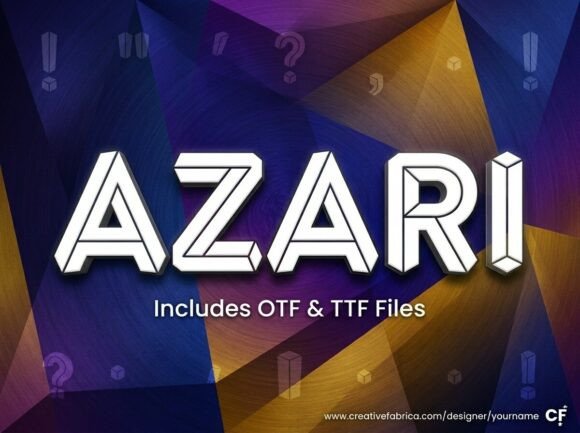
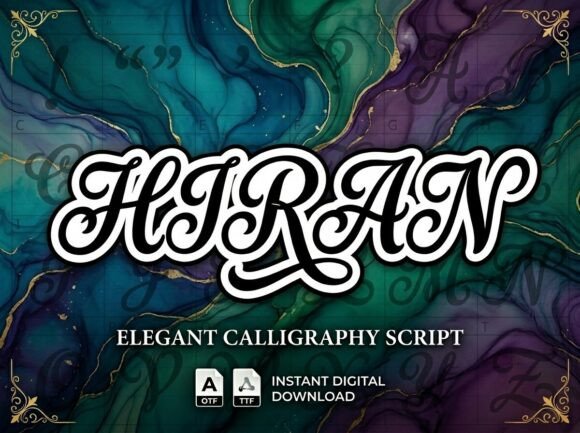
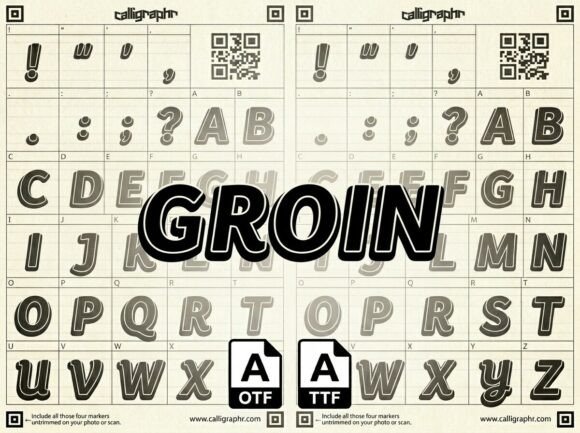
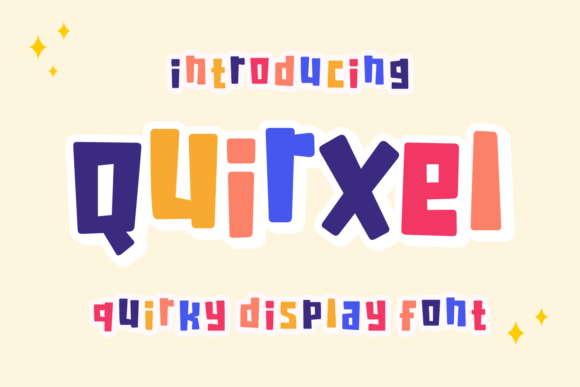
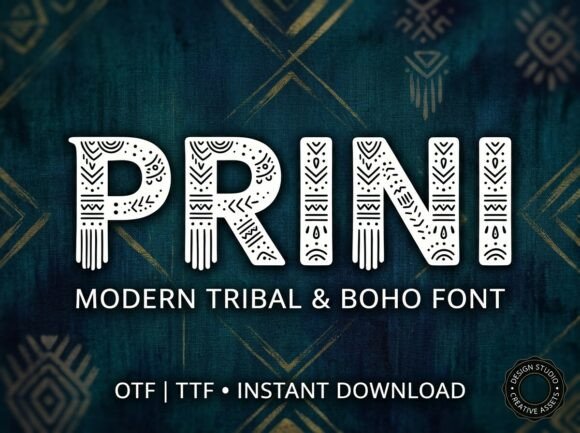
This isn’t a workhorse font for body text or dense paragraphs. Prini is an all-caps display face designed to command attention in headlines, logos, and artistic compositions. Each uppercase letter carries distinct visual weight, with artistic flourishes and bold geometry that make every character feel like a deliberate design choice. When you set a word in Prini, you’re not just spelling something out—you’re making a visual statement.
What Makes a Display Font Like Prini Worth Your Attention
Display fonts occupy a specific niche in typography. They’re engineered for short, high-visibility text: a product name on packaging, a hero banner headline, a logo mark that needs to work at both small and large scales. Prini fits squarely in this category, but it brings a particular artistic sensibility that sets it apart from generic bold or decorative typefaces.
The letterforms in Prini feature unique design elements—think unexpected curves, intentional asymmetry, or geometric details that give each character personality without sacrificing cohesion. This is the kind of typeface where the letters themselves become part of the visual storytelling. A brand name set in Prini doesn’t just identify a business; it communicates mood, energy, and creative confidence.
For anyone working in branding, the distinction matters. Your typography choices are one of the fastest ways to signal what a brand stands for. A clean sans serif says one thing. A classic serif says another. Prini says you’re not afraid to be bold, artistic, and a little unconventional.
Where Prini Shines: Practical Applications Across Creative Projects
The versatility of a strong display typeface often surprises people. Here are real-world scenarios where a font like Prini earns its place in a designer’s toolkit:
- Logo design – A logotype set in Prini immediately establishes visual distinctiveness. For boutique brands, creative studios, or artisan products, this kind of typographic personality can become the foundation of an entire brand identity.
- Packaging design – Shelf appeal matters. Whether you’re designing labels for a craft beverage, cosmetics, or specialty food products, Prini’s bold letterforms help products stand out in crowded retail environments.
- Social media graphics – Instagram posts, Pinterest pins, and TikTok overlays all demand instant visual impact. An all-caps display font reads quickly at thumbnail sizes and gives graphics a polished, intentional look.
- Event invitations and posters – Weddings, gallery openings, music festivals, and corporate events all benefit from typography that sets a mood. Prini’s artistic character works beautifully for headline text on invitations and promotional posters.
- Website hero sections – The top of a homepage is prime visual real estate. A striking headline in Prini can establish brand tone immediately, especially when paired with a more neutral body font.
- Merchandise and apparel – T-shirt designs, tote bags, and branded merchandise often rely on bold, simple typography. Prini’s all-caps format and decorative style translate well to print-on-demand and screen printing.
- Editorial layouts – Magazine covers, book chapter headings, and feature article titles all need typography that draws readers in. Prini works well for pull quotes and section headers in editorial design.
- Marketing assets – Email headers, digital ads, landing page banners, and sales materials benefit from headline fonts that grab attention without relying on images alone.
Designing with an All-Caps Display Typeface
One important detail to understand before working with Prini: this is an uppercase-only typeface. There are no lowercase letterforms included. This is a deliberate design choice common in decorative display fonts, and it’s worth understanding why it matters for your projects.
All-caps typography creates a uniform baseline and consistent letter height, which produces a strong, rhythmic visual texture. For headlines, logos, and short text passages, this uniformity can actually enhance readability and visual impact. The eye reads a line of all-caps text as a cohesive shape, which works in your favor when you want text to register quickly.
However, this also means Prini isn’t the right choice for every situation. Body copy, long paragraphs, and extended reading contexts call for typefaces with case variation and more nuanced letter spacing. Think of Prini as a specialty tool—use it where its strengths matter most, and pair it with complementary fonts for everything else.
Pairing Prini with Other Fonts for Balanced Compositions
No single typeface handles every design need. Smart font pairing is about creating contrast and hierarchy while maintaining visual harmony. Here are practical approaches for combining Prini with other typefaces:
- Prini + a clean sans serif – This is one of the most reliable combinations. Use Prini for headlines and a geometric or humanist sans serif like Montserrat, Inter, or Work Sans for body text. The contrast between decorative and functional creates clear visual hierarchy.
- Prini + a classic serif – For editorial or luxury brand applications, pairing Prini with a refined serif like Playfair Display, Lora, or Merriweather adds sophistication. The decorative display font handles attention-grabbing moments while the serif carries longer reading passages.
- Prini + a handwritten or script font – When you want to emphasize creativity and artisanal quality, combining Prini with a script typeface can work beautifully. Keep the script limited to accent words or taglines to avoid visual clutter.
The key principle: let Prini do the heavy lifting in high-visibility moments, and choose a simpler companion font for everything else. Test your pairings at actual sizes and on actual devices before finalizing.
File Formats and What You’re Getting
Prini ships in two industry-standard font formats, each serving a specific purpose in your workflow:
- OTF (OpenType Font) – The professional standard for advanced design software like Adobe Illustrator, Photoshop, InDesign, and Affinity Designer. OTF files support extended character sets and advanced typographic features.
- TTF (TrueType Font) – The universal format that works across virtually all operating systems and applications. If you need the font to function in word processors, presentation software, or web environments, TTF provides maximum compatibility.
Having both formats means you can use Prini in professional design applications and in everyday tools without compatibility headaches. Install the OTF for your design work and the TTF for client-facing documents or collaborative projects where software environments vary.
Licensing and Commercial Use Considerations
Before purchasing any font for professional work, review the licensing terms carefully. Commercial font licensing typically covers how many users, devices, or projects can use the typeface. Some licenses distinguish between desktop use, web use, and embedding in digital products.
If you’re designing for clients, make sure the license covers end-use for the projects you’re creating. If you’re a business owner using the font in your own branding and marketing materials, a standard commercial license usually provides sufficient coverage. When in doubt, contact the font creator directly to clarify terms before committing.
This matters because font licensing protects both the designer who created the typeface and the businesses that invest in premium fonts. Using properly licensed fonts also means you won’t face unexpected legal issues down the road—a consideration that’s especially important for commercial logos and registered trademarks.
Making the Most of a Bold Typographic Choice
Choosing a decorative display font like Prini is a confident design decision. It signals that you value visual distinctiveness and understand how typography shapes perception. But confidence in font selection should always be paired with thoughtful application.
Use Prini where it will have the most impact. Reserve it for moments that matter: the name on the package, the headline on the landing page, the title on the poster. Let it breathe with generous spacing around it. Support it with simpler typography that handles the informational heavy lifting. And always test your designs at multiple sizes to make sure the artistic details read clearly in every context.
When a typeface carries this much personality, it becomes more than a design asset—it becomes part of how your audience remembers you. That’s the real value of finding the right font for the right moment.