April: The Display Typeface That Demands Attention
Every design project has a moment where you realize the standard sans-serif or classic serif just won't cut it. You need something that doesn't just sit on the page but jumps off it, something with personality and flair that can instantly define the mood of your entire brand. That’s where a typeface like April enters the conversation. It’s not just another font; it’s a statement piece, a tool for designers and creators who understand that sometimes, typography needs to be the hero of the show.
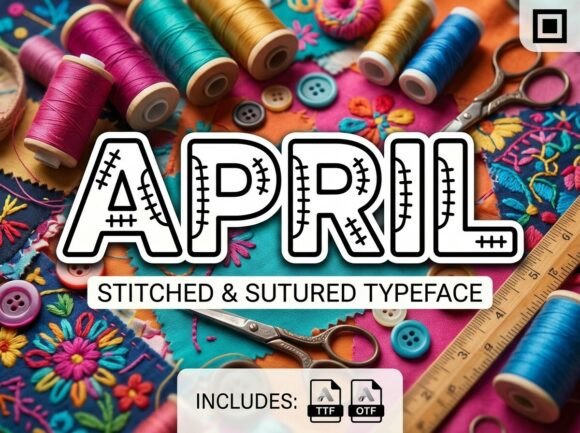
April is a stunning decorative display font engineered to be the focal point of any layout. Its design features unique artistic elements and a strong visual personality, making it an ideal choice for anyone looking to break away from the ordinary. This is a typeface that doesn't whisper; it announces. It's versatile enough for bold headlines, artistic logos, and creative packaging, yet it maintains a professional and polished finish that ensures your work looks intentional and refined, not chaotic.
Where Artistic Flair Meets Practical Application
Understanding what makes a display font like April tick is key to using it effectively. Its all-caps nature isn't a limitation but a feature, designed for high-impact scenarios where every letter needs to carry weight and character. Think of it as the typographic equivalent of a bold accent wall in interior design—it defines the space and draws the eye. The "all-caps" structure ensures uniformity and power in headlines, logos, and decorative initials, where each letterform is treated as a small work of art.
This makes April particularly effective for projects where the goal is immediate visual impact. Consider its role in brand identity. A small business launching a new product line, a boutique hotel creating its signage, or a podcast designing its cover art needs a typeface that conveys a specific, memorable vibe instantly. April's distinctive character can help carve out a unique space in a crowded market, enhancing brand recognition through a consistent and striking visual language.
For logo design, the font’s strong personality can become the cornerstone of the entire identity. Paired with a simple sans-serif for body text, April can create a logo that is both artistic and balanced. Its utility extends seamlessly into packaging design, where it can make product names pop on shelves, and into editorial design for magazine covers or feature article titles that need to captivate a reader browsing through pages.
From Digital Screens to Physical Products
The true test of a premium font is its performance across different mediums. April’s design translates beautifully from digital to print, making it a valuable design asset for a wide range of creators. On social media, a bold headline set in April can stop the scroll, adding a layer of professionalism and creativity to Instagram posts, Pinterest graphics, or Facebook ads. For web design, it can be used strategically for hero section text or key calls-to-action, provided it's paired with a highly legible font for longer paragraphs.
In the realm of physical products, the applications are just as compelling. Think about merchandise like t-shirts, tote bags, or mugs where a short, impactful phrase needs to look stylish. Consider event invitations for galas, product launches, or weddings where a touch of decorative elegance sets the tone. Even in print materials like posters, business cards, or stationery, April can add a creative edge that makes a tangible piece stand out.
For content creators and bloggers, it offers a way to elevate the visual presentation of their brand. Using it for chapter titles in a digital ebook, section headers in a PDF guide, or title cards for video content can significantly improve the perceived value and professional presentation of the work, fostering greater audience engagement.
Making It Work: Practical Typography Tips
Using a powerful display typeface effectively requires a bit of strategy. The first rule is restraint. Because April has such a strong voice, it’s best used sparingly for maximum effect. Overusing an all-caps decorative font can overwhelm a layout and hurt readability. The goal is to let it shine in headlines, subheadings, or pull quotes, while relying on a cleaner, more neutral font for body copy.
This leads to the critical practice of font pairing. A classic and effective approach is to pair a decorative serif or display font like April with a clean sans serif font. The contrast creates a clear visual hierarchy, guiding the reader’s eye naturally from the impactful headline to the easy-to-read body text. Alternatively, pairing it with a simple script font or handwritten font can create a more eclectic, artistic feel, but this requires careful testing to avoid a cluttered look.
Always test your pairings in context. Create a mockup of your intended use—be it a website header, a product label, or a social media post—and view it at the actual size. Check the spacing (kerning and leading) to ensure the text remains legible and aesthetically pleasing. The included OTF and TTF files provide universal compatibility, so you can test confidently across different software and devices.
A Note on Licensing and Final Thoughts
Before integrating any new font into your commercial projects, it’s prudent to review the licensing terms. Most commercial fonts come with clear guidelines for use in logos, merchandise, and digital products. Ensuring you have the correct license for your intended application protects you legally and supports the independent designers and foundries that create these valuable tools.
April represents a specific tool for a specific job. It’s not the font for your user manual or your legal disclaimers. But when you need to inject personality, artistry, and undeniable impact into a design, it’s the kind of asset that can transform a project from good to unforgettable. It reminds us that typography, at its best, is not just about conveying words but about crafting an experience and a mood. For the designer, entrepreneur, or creator ready to make a bold statement, it’s a typeface worth exploring.