Geoph: The Decorative Display Font for Bold Visual Statements
There’s a moment in every creative project when you realize the typeface you’ve chosen just isn’t doing the work. It’s fine, it’s readable, but it lacks that spark—the visual punch that makes someone stop scrolling, pause on a shelf, or linger on a page. That’s the gap a font like Geoph is designed to fill. It’s not just another decorative option; it’s a typeface built with the explicit purpose of being the center of attention, offering a strong, artistic personality that can transform a standard layout into something memorable.
A Typeface with an Artistic Edge
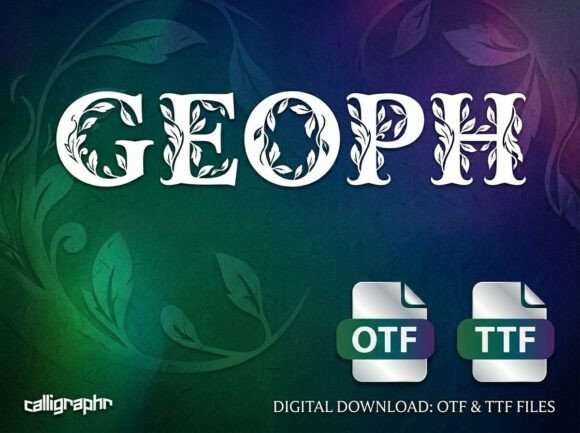
Geoph is a premium display font that leans into its role as a visual statement piece. Its design features unique artistic elements that give each letterform a distinct character. Think of it less as a tool for setting long paragraphs and more as a sculptural element for your layouts. This is the kind of typeface you reach for when you want a headline to feel like a logo, or when a single word needs to carry the weight of an entire brand message. It’s a creative font that understands its job is to be seen and remembered.
What makes it particularly useful for modern creators is its versatility within that high-impact space. While it’s undeniably a decorative display font, it maintains a professional polish. This balance is crucial. You can use it for the bold title on an event poster, the masthead of an editorial layout, or the primary mark on product packaging without the result feeling amateurish or overly whimsical. It’s a typeface that commands attention while still feeling intentional and refined.
Practical Applications for Creators and Brands
Understanding where a font like this shines is key to using it effectively. Its all-caps nature makes it a specialist, but a powerful one. Here’s how it can be integrated into real-world projects:
- Brand Identity and Logo Design: For entrepreneurs and small business owners crafting a brand identity, Geoph can serve as the foundation for a logo or a distinctive wordmark. Its strong visual personality helps establish instant recognition, especially in crowded markets like boutique food brands, creative studios, or lifestyle blogs.
- Packaging and Merchandise: On a shelf or in an online store, packaging has seconds to make an impression. Using this font for the product name or a key descriptor can elevate the design, making it feel more curated and premium. It’s equally effective for merchandise like t-shirts, tote bags, or mugs where a bold graphic element is needed.
- Digital and Social Media Graphics: In the fast-paced world of social media, stopping power is everything. Geoph is perfect for creating engaging Instagram story headers, Pinterest pin titles, or YouTube thumbnail text that cuts through the noise. Its high-impact style ensures your message isn’t missed as users scroll.
- Editorial and Print Layouts: For bloggers, publishers, or designers working on magazines, brochures, or posters, this typeface can add a layer of artistic flair to pull quotes, section headings, or event invitations. It pairs well with cleaner body fonts to create a dynamic typographic hierarchy.
Making It Work: Pairing and Readability
The most important practical advice for using a bold display font like Geoph is to master the art of font pairing. Because it’s so visually dominant, it needs a counterpart that plays a supporting role. You wouldn’t set a full paragraph in an all-caps decorative font; readability would plummet.
Instead, the goal is contrast. Pair Geoph with a clean, neutral sans-serif font like Helvetica, Open Sans, or Proxima Nova for body text. The simplicity of the sans-serif allows the decorative font to shine without competing for attention. Alternatively, for a more classic or sophisticated feel, a simple serif font like Georgia or Times New Roman can provide a nice counterbalance. The key is to let the display font be the star and use its partner to deliver the supporting information clearly.
Remember, this is an all-caps typeface. This means it’s designed for headlines, logos, and initials—contexts where every letter is meant to be a work of art. Using it for lengthy sentences would not only be impractical but would also diminish its special impact. Always test your font pairings in context. Mock up a business card, a social media post, or a website hero section to see how the styles interact at actual size.
Files and Licensing: What You Need to Know
When you invest in a premium font like Geoph, you’re typically investing in a set of design assets that give you flexibility. You’ll usually receive the essential OTF (OpenType Font) and TTF (TrueType Font) files. The OTF is the professional standard, offering advanced typographic features if the font includes them. The TTF ensures universal compatibility across virtually all devices and software, which is vital for web use and broad accessibility.
Before purchasing any commercial font, always review the licensing terms. A standard license for a font like this typically covers use in a single commercial project, such as a client’s branding or your own product line. If you plan to use it across multiple projects for different clients, or for a large-scale enterprise application, you may need an extended license. Checking these details upfront protects you legally and ensures your investment is sound.
Ultimately, choosing a typeface is about matching tool to task. If your project calls for quiet, seamless reading, a classic serif or sans-serif is your answer. But if you need to inject immediate personality, energy, and a strong visual identity, a decorative display font like Geoph is a powerful tool to have in your design arsenal. It’s built for those moments when ordinary just won’t do, and every letter needs to contribute to the story you’re telling.