Injecting Joy into Design: The Practical Magic of Bold Strokes
Let’s be honest: the design world can sometimes feel overly serious. Between strict corporate guidelines, minimalist trends, and the pressure to look "professional," we often strip the fun out of our creative work. But what if your project actually requires a bit of whimsy? What if you are launching a children’s brand, promoting a summer festival, or designing merchandise that needs to scream "happy"? In those moments, a stiff serif or a corporate sans-serif just won’t do. You need a typeface that brings the energy. You need a font that feels like a celebration. This is exactly where a playful, chunky display typeface enters the conversation, transforming standard text into a visual party.
The "Sticker-Like" Aesthetic: Why Texture Matters
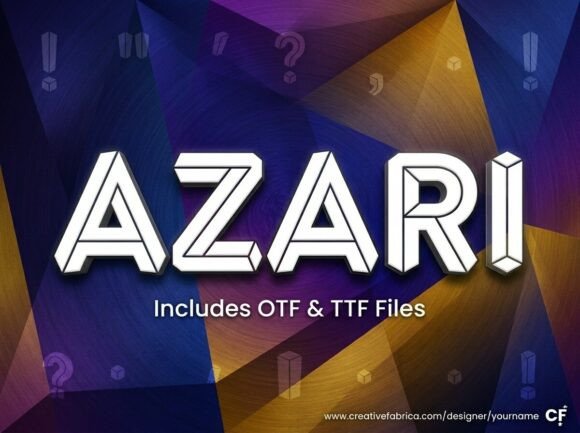
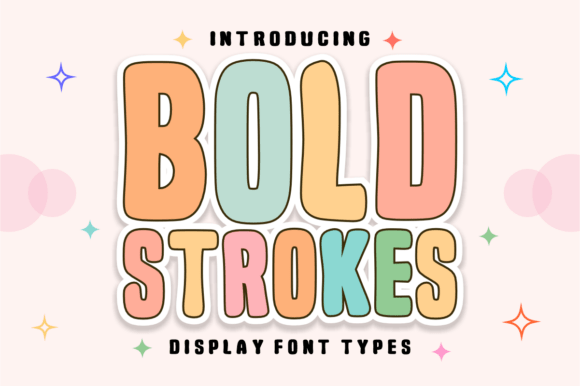
There is a specific visual trend that has dominated both digital and print spaces recently: the tactile, 3D effect. We see it in app icons, podcast cover art, and packaging. Bold Strokes captures this trend perfectly by utilizing thick, soft letterforms that feel almost edible. Unlike standard flat fonts, this typeface features a clean white outline and a gentle shadow. This combination creates a distinct "sticker" effect, making the text appear as if it is popping right off the page.
Why does this matter for your brand? Because in a sea of flat, two-dimensional text, dimension catches the eye. When a customer is scrolling through Instagram or scanning a shelf at the grocery store, that 3D shadow effect creates an immediate focal point. It suggests that your content is interactive and engaging before the user even reads a single word. It turns headlines into graphic elements, reducing the need for excessive illustration because the typography itself does the heavy lifting.
Real-World Applications: Beyond Just Logos
While a bubbly font is an obvious choice for a logo, its utility extends far beyond a static brand mark. If you view Bold Strokes merely as a "logo font," you are missing out on its full potential as a versatile design asset.
Consider the world of packaging design. If you are a small business owner selling handmade soaps, gourmet cookies, or craft supplies, your packaging needs to communicate the joy of the product inside. Using this chunky typeface for flavor names or product descriptors can instantly elevate a simple label into something that feels high-end yet accessible. It tells the customer, "This product is fun, and you will enjoy it."
For content creators and social media managers, the font is a powerhouse for engagement. We know that video content and Reels require bold text overlays that are readable in seconds. The thick strokes and high contrast of this display font make it perfect for thumbnail text, call-to-action overlays, and Instagram Stories. It cuts through the noise of a busy background image, ensuring your message lands immediately.
Furthermore, don't overlook physical merchandise. T-shirts, tote bags, and mugs often rely on bold typography rather than complex illustrations. A phrase set in a playful, shadowed typeface looks fantastic on merchandise because it mimics the look of puff printing or screen printing without the extra production cost. It translates beautifully to print-on-demand services, giving your merchandise a trendy, streetwear-inspired vibe.
Bridging the Gap Between Playful and Professional
A common hesitation I hear from clients and fellow designers is the fear of looking "unprofessional." There is a misconception that playful fonts are only for children. However, modern typography has evolved. We are seeing major brands—think tech startups, food delivery services, and lifestyle brands—adopt friendlier aesthetics to connect with younger demographics.
The key to making a font like Bold Strokes work for a professional audience lies in context and pairing. If you use a bubbly display font for your body copy, your website will look chaotic and be impossible to read. However, if you use it strictly for headers and pair it with a clean, geometric sans serif font for your body text, you create a perfect hierarchy.
For example, imagine a landing page for a new productivity app. You use Bold Strokes for the main headline: "Work Smarter, Play Harder." It grabs attention and establishes a friendly tone. Then, you switch to a neutral font like Helvetica or Open Sans for the features list. This pairing signals that your brand is approachable and modern, but still capable and organized. It balances the "fun" with the "function."
Strategic Considerations for Implementation
Before you download and start using any new premium font, it is worth taking a moment to strategize. Here are a few practical tips to ensure you get the most out of your typography choices:
- Review the Font Styles: A good font family usually includes more than just the standard letters. Check if the typeface includes numbers, punctuation, and multilingual support. For a display font, stylistic alternates or ligatures can add extra flair to your logos and headers.
- Test for Readability: Display fonts are designed for impact, not long-form reading. Always test your chosen font at the size it will be viewed. If you are designing a poster, print it out. If it is for a website, view it on a mobile phone screen. Ensure the "bubbly" nature of the letters doesn't cause letters to merge or become illegible at smaller sizes.
- Understand Licensing: This is the unsexy but vital part of design. If you are creating a logo for a client or selling t-shirts with your designs, you need a commercial license. Many "free" fonts found on random websites are for personal use only. Using them commercially can lead to legal headaches later. Always download from reputable foundries that clearly outline their licensing terms.
- Color Psychology: A font with a built-in shadow effect interacts with color differently than a flat font. Bright, saturated colors often work best with playful typefaces. Pastels can create a softer, nursery-like vibe, while high-contrast neon colors can create a retro or street-style aesthetic.
Creating a Cohesive Brand Identity
Your typography is the voice of your brand. Just as you wouldn't whisper in a loud room, you shouldn't use a timid font when you need to be seen. Choosing a typeface like Bold Strokes is a strategic decision to project confidence, creativity, and approachability.
When you consistently use a unique display font across your touchpoints—from your website headers to your email newsletter banners and your physical business cards—you build brand recognition. People begin to associate that specific visual style with your business. It becomes a mnemonic device. Even if they don't read the text, they recognize the "vibe" of the chunky, outlined letters and associate it with your previous positive interactions.
Ultimately, design is about communication. If your goal is to communicate that your brand is innovative, joyful, and bold, then your typography needs to reflect that. Don't settle for default system fonts that blend into the background. Embrace the tools that allow your personality to shine through. Whether you are designing a wedding invitation for a fun-loving couple or a pitch deck for a creative agency, having a bold, playful typeface in your toolkit ensures you are always ready to make a lasting impression.