Meet Dominic: The Font That Brings Playful Energy to Your Brand
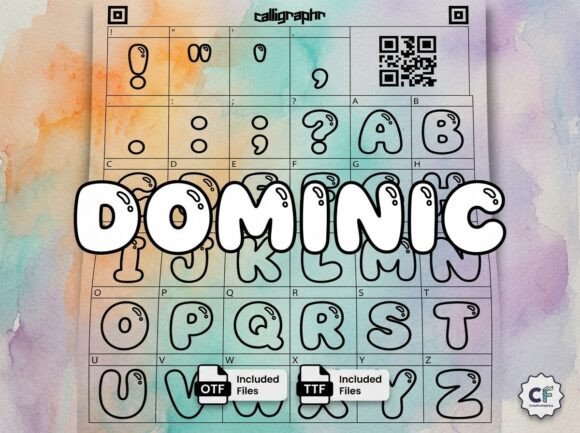
There’s a moment in every creative project where you realize the standard sans serif or elegant script just isn’t cutting it. You need something that pops off the page—literally. That’s where Dominic enters the picture, a vibrant display font that captures pure, high-energy personality. Imagine letterforms that look like they’ve been inflated with helium, complete with crisp black outlines and hand-drawn glossy highlights that create an instant 3D effect. This isn’t just another typeface; it’s a visual statement designed to make your audience smile, remember, and engage.
For designers, entrepreneurs, and content creators, finding a font that balances professionalism with genuine fun can feel like a challenge. Too playful, and you risk looking unpolished. Too corporate, and you blend into the noise. Dominic strikes that rare balance—it’s bold enough to command attention, yet crafted with enough detail to feel intentional and premium. Whether you’re branding a toy store, designing event posters, or creating social media headers that stop the scroll, this typeface offers a unique tool for visual communication.
Why This Typeface Feels Like a Celebration
Dominic’s design philosophy centers on joy. The ultra-thick, rounded letterforms mimic the look of inflated balloons, giving each character a sense of volume and bounce. The hand-drawn glossy highlights aren’t just decorative—they create a tactile, almost cartoonish rhythm that adds depth without overwhelming the text. This effect is particularly powerful in contexts where you want to evoke nostalgia, childhood wonder, or unfiltered creativity. Think of independent toy store branding that feels approachable yet exciting, or children’s book covers that promise adventure before the first page is turned.
But the appeal isn’t limited to kid-centric projects. In the world of pop-art social media headers or high-impact event posters, Dominic’s heavy weight and playful curves become assets. It’s the kind of typeface that can turn a simple sale announcement into a visual event, or make a blog header feel like an invitation to a party. The key is understanding its personality: Dominic thrives in contexts where energy and positivity are central to the message.
Practical Applications Across Creative Projects
Let’s talk real-world use. As a designer or small business owner, you’re constantly balancing aesthetics with function. Here’s how Dominic can serve specific needs:
- Branding and Logo Design: For businesses targeting families, children, or creative audiences, a logo set in Dominic can become an instant identifier. Imagine a children’s bookstore or a craft workshop using this font—it immediately communicates a welcoming, imaginative space.
- Packaging Design: Product packaging for toys, snacks, or party supplies can benefit from Dominic’s 3D effect. The glossy highlights help products stand out on shelves, while the rounded forms feel safe and friendly.
- Social Media Graphics: In the fast-paced world of Instagram or TikTok, scroll-stopping power matters. Dominic’s bold presence works well for sale announcements, event promotions, or brand storytelling posts that need to grab attention in milliseconds.
- Editorial and Web Design: While display fonts aren’t typically used for body text, Dominic can shine in magazine headers, blog post titles, or website banners. Pair it with a clean sans serif for readable subheadings, and you’ve got a layout that feels dynamic yet organized.
- Print Materials and Merchandise: From event posters to t-shirt designs, Dominic’s playful energy translates beautifully to physical items. Its heavy weight ensures legibility even at larger sizes, making it ideal for signage or branded merchandise.
The versatility here is notable. Dominic isn’t a one-trick pony; it’s a tool for injecting personality into diverse projects. The trick is to use it strategically—as a headline font, a logo element, or an accent—rather than for lengthy paragraphs where readability could suffer.
Making It Work: Pairing and Professionalism
Every creative font comes with practical considerations. First, think about pairing. Dominic’s bold, rounded forms pair well with simpler typefaces that don’t compete for attention. A classic sans serif like Montserrat or a clean serif like Lora can provide balance in subheadings or body text. The goal is contrast: let Dominic handle the personality, while supporting fonts handle the details.
Readability is another key factor. While Dominic is designed for impact, always test how it performs at different sizes and on various backgrounds. Its thick strokes and outlines work best against solid, contrasting colors—think white text on a vibrant background or dark text on a pastel hue. Avoid busy backgrounds that might interfere with the glossy highlights, which are central to its 3D effect.
Also, consider the context of your project. For formal documents or technical manuals, Dominic might feel out of place. But for marketing assets, event invitations, or digital products aimed at younger audiences, it can elevate the entire experience. The font’s hand-drawn quality adds a human touch that resonates in an increasingly digital world, making it a valuable asset for brands seeking authenticity.
Beyond the Basics: Licensing and Long-Term Value
If you’re investing in a premium font like Dominic, understanding licensing is crucial. Most commercial fonts come with specific usage rights—whether for personal projects, client work, or merchandise sales. Always review the license to ensure it covers your intended applications, especially if you plan to use the font in products for sale or large-scale advertising. This upfront diligence prevents legal headaches and protects your creative work.
From a long-term perspective, a distinctive typeface like Dominic can become a cornerstone of your brand identity. Consistency in typography builds recognition; when customers see those playful, inflated letters, they’ll associate them with your business. This is particularly valuable for small businesses or creators looking to stand out in crowded markets. Over time, that visual shorthand can foster loyalty and make your communications instantly recognizable.
Ultimately, choosing a font is about more than aesthetics—it’s about alignment. Does the typeface reflect your brand’s voice? Does it speak to your target audience? Dominic answers a specific call: for projects that need a burst of energy, a touch of whimsy, and a professional yet playful edge. Whether you’re designing a one-time event poster or building a brand from the ground up, it offers a unique way to connect visually and emotionally with your audience.