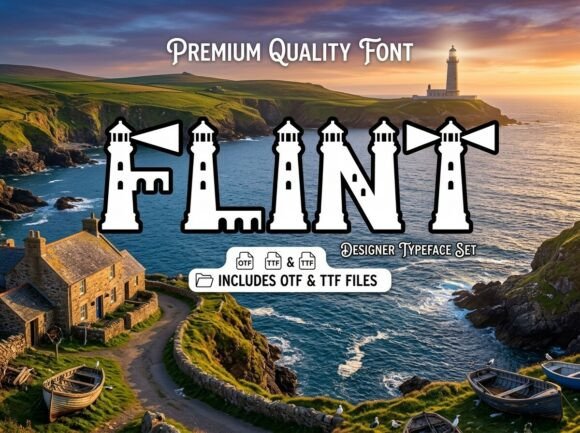
Haden: A Typeface That Commands Attention
There's a moment in every design project when you realize the typography needs to do more than just convey information—it needs to make a statement. That's precisely where Haden enters the conversation. This isn't just another display font; it's a carefully crafted visual personality designed for projects that refuse to blend into the background.
Haden carries an artistic flair that immediately sets it apart from standard corporate typefaces. Each letterform feels intentionally designed with unique character, making it particularly effective for creators who want their work to leave a lasting impression. The font's strong visual presence means it works exceptionally well in contexts where every detail contributes to the overall aesthetic impact.
Where Haden Truly Shines in Practical Applications
Consider a boutique coffee brand looking to establish shelf presence alongside established competitors. Using Haden for the brand name on packaging creates an immediate visual anchor—something distinctive enough to catch a customer's eye during a quick scan of the aisle. The font's decorative qualities communicate artisanal quality without needing additional explanation.
For social media managers, Haden offers a solution to the perpetual challenge of stopping the scroll. A bold headline set in this typeface for an Instagram story or Facebook ad immediately communicates that this content deserves attention. The uppercase-only design ensures maximum impact at various screen sizes, which matters when users are scrolling quickly through their feeds.
Small business owners often struggle with creating professional-looking marketing materials on limited budgets. Haden provides an accessible way to elevate the visual presentation of everything from business cards to promotional flyers. When used consistently across touchpoints, it helps build brand recognition through a distinctive typographic voice.
Understanding the All-Caps Design Approach
It's important to note that Haden is specifically designed as an uppercase-only display typeface. This isn't a limitation but rather a deliberate design choice that serves particular creative goals. When every letter is capitalized, the typography takes on a more assertive, monumental quality that works exceptionally well for:
- Logo designs where the brand name needs to stand as a visual mark
- Headlines that need to command immediate attention
- Decorative initials in editorial layouts or invitations
- Short, impactful phrases on merchandise or apparel
- Event posters or announcements where visual drama is appropriate
The absence of lowercase letters means Haden works best in applications where text is limited to a few words or a short phrase. For body copy or extended reading, you'll want to pair it with a more legible serif or sans serif font. This complementary approach actually strengthens your overall design by creating clear visual hierarchy.
Practical Considerations for Working with Haden
Before incorporating Haden into your project, consider these practical aspects that will affect your workflow and final results:
File Compatibility Matters: The font package includes both OTF and TTF files for good reason. The OTF format offers advanced typographic features for professional design software like Adobe Creative Suite, while the TTF ensures universal compatibility across different operating systems and applications. Having both means you can use Haden consistently whether you're designing in Photoshop, creating documents in Word, or building websites.
Testing Before Committing: Always test display fonts like Haden in context before finalizing your design. What looks stunning in a font preview might need adjustment when applied to your specific project. Try it at different sizes, with various colors, and against different backgrounds to ensure it maintains its visual appeal in your particular application.
Font Pairing Strategy: Because Haden is inherently decorative, it pairs best with simpler, more neutral fonts. A clean sans serif like Montserrat or a classic serif like Georgia can provide excellent contrast while maintaining readability for longer text passages. The key is to let Haden handle the visual impact while supporting typography handles communication clarity.
Commercial Licensing Awareness: If you're using Haden for client work or commercial projects, ensure you understand the licensing terms. Most premium fonts come with specific usage rights that determine how many computers can install the font, whether it can be embedded in digital products, and what constitutes permitted commercial use. This due diligence protects both you and your clients.
Elevating Specific Design Projects with Haden
For entrepreneurs developing brand identity systems, Haden can serve as the cornerstone of a distinctive visual language. Imagine a luxury candle company using this typeface for its logo—the artistic letterforms communicate craftsmanship and attention to detail before a customer even smells the product. When extended to packaging, website headers, and social media templates, this typographic consistency builds recognition and perceived value.
Content creators working on digital products like online courses or e-books can use Haden to create visually cohesive materials that stand out in crowded marketplaces. A course title or chapter heading set in this font immediately signals quality and thoughtfulness, potentially increasing perceived value and engagement.
Event planners and invitation designers will find Haden particularly useful for creating memorable stationery. The uppercase design works beautifully for monograms, names, and short phrases on wedding invitations, gala programs, or corporate event materials. It adds a touch of sophistication without appearing overly formal or traditional.
Making Informed Typography Choices
Choosing the right font ultimately comes down to understanding your project's goals and audience. Haden excels when you need visual impact, personality, and a break from conventional typography. It's less suitable for situations requiring extended reading, formal documents, or minimalist aesthetics where understatement is preferred.
Consider your audience's expectations and context. A creative agency targeting fashion brands might embrace Haden's artistic qualities, while a financial services firm might find it too unconventional for their primary branding. The most successful typography choices align with both the project's functional requirements and the audience's aesthetic expectations.
Remember that typography is just one element in a larger visual system. Haden works best when supported by thoughtful color choices, appropriate imagery, and clear content hierarchy. Its strength lies in creating focal points and establishing visual rhythm, not in carrying entire compositions alone.
For designers and creators looking to add a distinctive voice to their typographic toolkit, Haden offers a compelling option that balances artistic expression with practical versatility. Its ability to transform ordinary text into visual statements makes it valuable for projects across branding, packaging, digital media, and print applications. Just be mindful of its all-caps nature and pair it strategically to maximize its impact while maintaining overall design coherence.