Wilmington: A Typeface That Commands the Street
There’s a specific energy you feel walking through a city at dusk—the hum of neon, the grit of pavement, the confident swagger of a place that knows its identity. Capturing that vibe in design is tough, but typography is often the bridge between a flat image and an immersive experience. If you’re tired of sterile, corporate typefaces that feel too polite for your brand, it’s time to look at Wilmington. This isn’t just another font; it’s a stylized display typeface built to command attention, channeling an "urban-and-expressive" soul that feels like it was pulled straight from a marker sketch on a concrete wall.
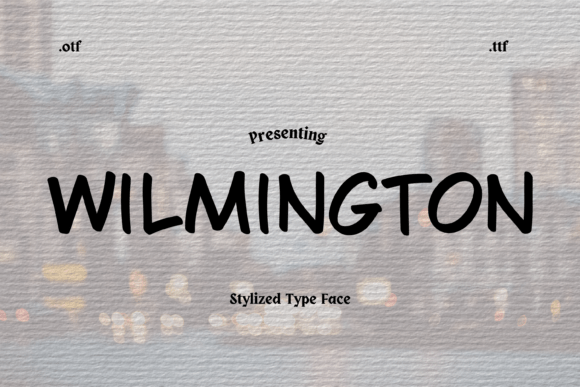
Wilmington is defined by its heavy structural weight and contemporary flair. It features thick, marker-style letterforms that boast rhythmic, slightly slanted strokes. It doesn’t look like it was generated by a computer algorithm; it looks hand-inked. That confident texture exudes a personality that is both gritty and sleek. For designers, entrepreneurs, and content creators, this typeface offers a way to inject immediate attitude into a project without sacrificing legibility. Whether you are designing for independent city lifestyle branding or creating high-impact social media headers, understanding how to wield this creative font can change the way your audience perceives your message.
The Anatomy of Attitude: Why Visual Texture Matters
In the realm of modern typography, we often discuss "voice." A serif font might speak of tradition, while a clean sans serif font whispers minimalism. Wilmington, however, speaks up. Its visual characteristics are designed to mimic the imperfect, human touch of a wide-tipped marker. This creates a tactile quality that digital screens often strip away. When you use Wilmington, you aren't just placing letters on a canvas; you are applying a layer of texture that adds depth and realism to your design assets.
The "slightly slanted" nature of the strokes gives the typeface a sense of motion. It implies that things are happening, moving forward, and evolving. This makes it an exceptional choice for dynamic industries like streetwear, fitness, or music. However, the "heavy structural weight" ensures that it doesn't feel flimsy. It has a grounded presence, capable of anchoring a design layout even when surrounded by chaotic background imagery. For a brand identity, this weight translates to authority. It says, "We are here, and we are bold."
From Streetwear to Storefronts: Practical Applications
The versatility of a display font like Wilmington lies in its ability to adapt to different mediums while retaining its core identity. If you are a small business owner or a creative entrepreneur, here is how you can practically apply this typeface across your various touchpoints:
- Logo Design and Branding: This is where Wilmington shines brightest. Its heavy weight ensures that a logo remains legible even at smaller sizes or from a distance—crucial for signage and window decals. It is the premier choice for independent city lifestyle branding, coffee shops, barbershops, or any venue that wants to project a confident, relaxed atmosphere.
- Packaging Design: Think about the shelf appeal. A product label using Wilmington stands out against competitors using standard geometric fonts. It is particularly effective for artisanal goods, craft beverages, or streetwear merchandise where the packaging needs to feel as "cool" as the product inside.
- Digital Products and Marketing Assets: In the fast-scrolling world of social media, you have milliseconds to grab attention. Wilmington is perfect for high-impact social media headers, YouTube thumbnails, and Instagram Stories. Its bold nature cuts through the noise of a busy feed.
- Editorial Layouts and Posters: While not a body text font, Wilmington creates stunning pull quotes and magazine covers. Its cinematic quality makes it a natural fit for movie titles or event posters, offering a "sleek-and-gritty" aesthetic that draws the eye immediately.
Mastering the Mix: Font Pairing and Readability
Because Wilmington is a premium font with such a strong personality, it requires a thoughtful approach to typography pairing. You wouldn't want to pair it with another expressive font, such as a complex script font or a handwritten font, as that would create visual chaos. Instead, let Wilmington be the star of the show.
The best partners for this typeface are neutral, well-spaced sans serif fonts. A clean, modern sans serif for your body copy provides a necessary visual rest for the eyes after the viewer absorbs the energy of the Wilmington headlines. This contrast actually enhances the readability of both fonts. The clean text becomes easier to read because it is simple, and the display font becomes more impactful because it is distinct.
When testing your font pairings, pay close attention to sizing. Because of its marker-style texture, Wilmington works best at larger sizes where the inked details can be appreciated. If you shrink it down too small for body text, you risk losing the definition of those hand-inked edges. Always view your designs at the intended output size—whether that is a mobile phone screen or a physical poster—to ensure the texture translates well.
Aligning Typography with Project Goals
Choosing a font is a strategic decision, not just an aesthetic one. Before you commit to Wilmington for a project, ask yourself: Does this project need to feel human? Does it need to feel urban? If you are designing a corporate report for a bank, Wilmington might be the wrong fit. But if you are launching a podcast about street culture, a line of vegan snacks, or a local community festival, it is exactly the right tool.
For content creators and bloggers, using a typeface like Wilmington can help solidify your personal brand. It moves your visual communication away from generic templates and toward a distinct identity. When your audience sees that font, they should immediately associate it with your content. This is the essence of visual consistency. By using the same typeface across your website headers, email newsletters, and print materials, you build a cohesive world that feels professional and intentional.
Navigating Licensing and File Formats
When investing in a creative font, it is vital to understand what you are buying. Most premium fonts, including high-quality display fonts like Wilmington, come with specific licensing agreements. Generally, a standard license covers most uses, such as creating logos, websites, and print materials for a single client or business. However, if you plan to use the font in an app, a video game, or for merchandise that you sell (like T-shirts), you may need an extended commercial license.
Always review the licensing terms included with the download. Additionally, check the file styles included in the package. A robust typeface family might include Regular, Bold, and Italic variations, or perhaps alternate characters and ligatures. Knowing these details allows you to get the most value out of the design asset. For web design, ensure you have the appropriate web font files (like WOFF or WOFF2) to ensure fast loading times and crisp rendering on browsers.
Final Thoughts on Urban Expression
Design is ultimately about connection. We want our work to evoke emotion, tell a story, and resonate with the people we are trying to reach. Wilmington offers a direct line to an audience that values authenticity, boldness, and style. It captures the rhythm of the street and the confidence of the hand that drew it.
By integrating this typeface into your toolkit, you are equipping yourself with a versatile weapon for visual communication. From the gritty texture of a streetwear logo to the sleek presentation of a digital header, Wilmington commands attention and doesn't let go. It proves that in a world of clean, predictable vectors, there is still a massive appetite for design that feels real, raw, and expressive. If your brand has a voice that needs to be heard, give it the typography it deserves.