Pipra: The Decorative Display Font That Commands Attention
There are fonts that blend in, and then there are fonts that make a statement. Pipra belongs firmly in the latter category. This isn't a typeface for body text or subtle notes—it's a decorative display font engineered for impact. With its strong visual personality and unique artistic elements, Pipra is designed for creators who refuse to let their work fade into the background. If your project needs a bold, unmistakable voice, understanding how to wield this all-caps powerhouse could be the key to unlocking its full potential.
A Typeface Built for Bold Statements
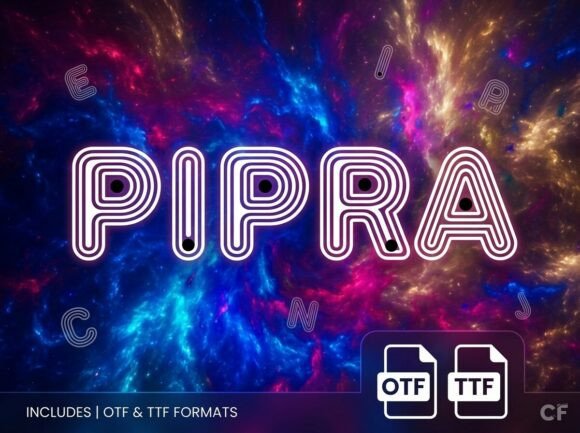
What immediately sets Pipra apart is its uncompromising character. Every letterform is crafted as a miniature work of art, featuring distinctive curves, sharp angles, or intricate details that give it a modern yet timeless appeal. This is a font that doesn't just convey words; it conveys attitude. Its all-caps nature means it's not trying to be versatile in the traditional sense—it’s specialized for moments where you need maximum visual weight. Think of it as the typographic equivalent of a signature piece of jewelry or a standout architectural feature. It’s meant to be seen, not just read.
This specialization is its greatest strength. Because it’s designed exclusively for uppercase letters, every character has been meticulously optimized for high-impact scenarios. There are no lowercase letters to distract from its cohesive, powerful look. This makes it an exceptionally reliable choice for projects where consistency and visual punch are non-negotiable.
Practical Applications Across Creative Fields
The true value of a premium font like Pipra is revealed in its application. Its versatility shines not in range of text, but in range of projects. For brand identity and logo design, it can become the cornerstone of a brand’s visual language. A logo set in Pipra instantly communicates creativity, confidence, and a break from the mundane. It’s perfect for boutique agencies, artisanal product lines, event planners, or any business that wants its name to feel like an event in itself.
In packaging design, first impressions are everything. Pipra can elevate a product on a crowded shelf, making the brand name or key descriptor impossible to ignore. For social media graphics, it cuts through the noise of endless scrolling. A single, powerful word set in this font for a quote graphic, announcement, or promotional post can dramatically increase engagement and shareability. It translates beautifully to posters, invitations, and editorial layouts where a striking headline is needed to set the tone.
Digital creators and marketers can leverage it for website headers, blog post titles, and marketing assets like email banners or ad copy. For merchandise—think t-shirts, tote bags, or mugs—Pipra’s graphic quality ensures designs look sharp and professional. Even in digital products like eBook covers or course thumbnails, it adds a layer of polished sophistication that builds perceived value.
Integrating Pipra Into Your Design Workflow
Adopting a new display font requires more than just installation; it requires strategy. The first step is to align the font’s personality with your project’s goals. Pipra’s artistic, bold nature is ideal for projects aiming for a creative, modern, or luxurious feel. It might be less suited for a legal firm’s website body copy but perfect for that same firm’s creative workshop promotional poster.
A critical consideration is font pairing. Because Pipra is so distinctive, it works best when paired with something simple and neutral. Combine it with a clean sans serif font for body text to create a balanced hierarchy. For example, use Pipra for your main headline, then use a font like Montserrat or Open Sans for subheadings and paragraphs. This allows Pipra to shine without overwhelming the viewer. Avoid pairing it with other highly decorative or script fonts, as this can create visual chaos and harm readability.
Speaking of readability, while Pipra is designed for impact, context is key. Use it for short bursts of text: headlines, logos, single words, or short phrases. Its all-caps design is not intended for long sentences or paragraphs, where it can become difficult to read. Always test your designs at the intended size and on the intended medium—what looks stunning on a large monitor might lose detail when scaled down for a mobile screen or printed on a textured surface.
Understanding the Included Assets and Licensing
When you acquire Pipra, you’re receiving two industry-standard file formats: OTF and TTF. The OTF (OpenType Font) file is the professional standard, offering the broadest range of features and compatibility with advanced design software like Adobe Creative Suite. The TTF (TrueType Font) file ensures universal compatibility across virtually all devices and operating systems, making it a reliable fallback for clients or collaborators who may not have the latest software.
Before finalizing your purchase, it’s crucial to remember the important note: this is an all-caps display typeface. Ensure this aligns with your project needs. There are no lowercase letters included, which is by design to maintain its powerful aesthetic. This clarity helps avoid any surprises during the design process.
Finally, consider the commercial licensing. Most premium fonts come with a license that permits use in commercial projects, but the specifics can vary. Always review the license agreement to understand the scope of use—whether it covers client work, merchandise sales, or digital products. This due diligence protects you legally and ensures you’re using the design asset as intended by its creator.
Choosing a font is a creative decision that impacts how your audience perceives your work. Pipra offers a distinct path for those looking to inject artistry, confidence, and unforgettable style into their projects. By understanding its strengths and applying it thoughtfully, you can transform ordinary designs into compelling visual statements that truly resonate.